






Managing Thyroid Disorders
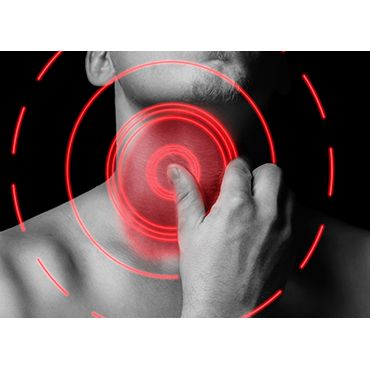
Thyroid disorders are increasingly common, affecting millions worldwide. The thyroid gland, located at the base of your neck, plays a crucial role in regulating metabolism, energy levels, and overall health. When it doesn’t function properly, it can lead to conditions such as hypothyroidism (underactive thyroid) or hyperthyroidism (overactive thyroid).
Understanding Thyroid Disorders
- Hypothyroidism: This occurs when the thyroid gland produces too little thyroid hormone. Symptoms include fatigue, weight gain, depression, and cold intolerance.
- Hyperthyroidism: This is the result of an overactive thyroid gland, leading to symptoms like weight loss, anxiety, tremors, and heat intolerance.
Diagnosis and Treatment
- Diagnosis: Thyroid disorders are diagnosed through blood tests that measure levels of thyroid hormones (T3, T4) and Thyroid Stimulating Hormone (TSH).
- Treatment:
- Hypothyroidism is typically treated with synthetic thyroid hormone replacement.
- Hyperthyroidism may require medications to reduce thyroid hormone production, radioactive iodine therapy, or, in some cases, surgery.
Lifestyle and Management Tips
- Regular Monitoring: Regular check-ups with your healthcare provider are essential to monitor thyroid function and adjust treatment as necessary.
- Healthy Diet: A balanced diet rich in iodine, selenium, and zinc supports thyroid health. However, it’s important to avoid excessive iodine intake, which can worsen certain thyroid conditions.
- Exercise: Regular physical activity can help manage symptoms and improve overall well-being.
- Stress Management: Stress can exacerbate thyroid symptoms. Practices such as yoga, meditation, and deep breathing can help manage stress levels.
When to See a Doctor
If you experience symptoms like unexplained weight changes, persistent fatigue, or mood swings, it’s important to consult a healthcare provider. Early diagnosis and proper management can significantly improve quality of life for those with thyroid disorders.
Conclusion
Thyroid disorders, while common, are manageable with the right diagnosis and treatment. By staying informed and proactive, you can effectively manage your thyroid health and maintain a balanced lifestyle.